
Five ways to improve tenant retention in commercial properties
Keeping a good tenant is almost always more valuable than finding a new one. These five practices make a measurable difference.
By Integrity Property Management · · 5 min read
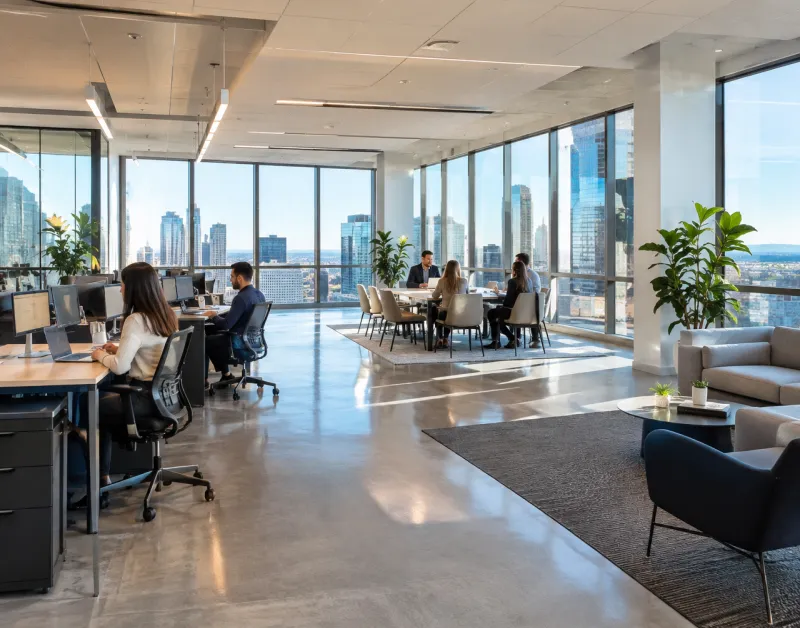
Vacancy is expensive. Beyond lost rent, every turnover brings leasing costs, incentives, fit-out work and downtime. That is why the most successful commercial owners treat tenant retention as a core part of asset strategy, not an afterthought.
1. Respond quickly and follow through
Tenants judge a building by how their requests are handled. Clear response times, visible progress and a closed loop on every issue build trust over the life of the lease.
2. Communicate before tenants have to ask
Planned shutdowns, construction, security changes and building improvements should be communicated early and clearly. Proactive communication signals respect and reduces friction.
3. Keep common areas and systems performing
Lobbies, washrooms, elevators, parking and HVAC shape the daily experience of every employee and visitor. Consistent standards here are a quiet but powerful reason to renew.
4. Understand each tenant’s business
Regular check-ins help property managers understand growth plans, space needs and pain points well before renewal conversations begin — creating opportunities to expand, adjust or reconfigure space within the same building.
5. Plan renewals early
Renewal discussions that start twelve to eighteen months out give both sides time to plan. Waiting until the last minute invites tenants to look elsewhere.
Retention is earned every day of the lease — not in the final month.
Integrity combines senior-level oversight with hands-on service to help commercial owners protect occupancy, reduce turnover costs and build long-term value.